

Quick Answer
Sustainability has moved from a niche eyewear feature to a real factor in how some customers choose which pair of sunglasses to buy. Consumers now routinely say they will pay more for sustainably sourced products, which makes this a trend worth understanding even for retailers who are not ready to overhaul their assortment around it.
The Shift Behind This Trend
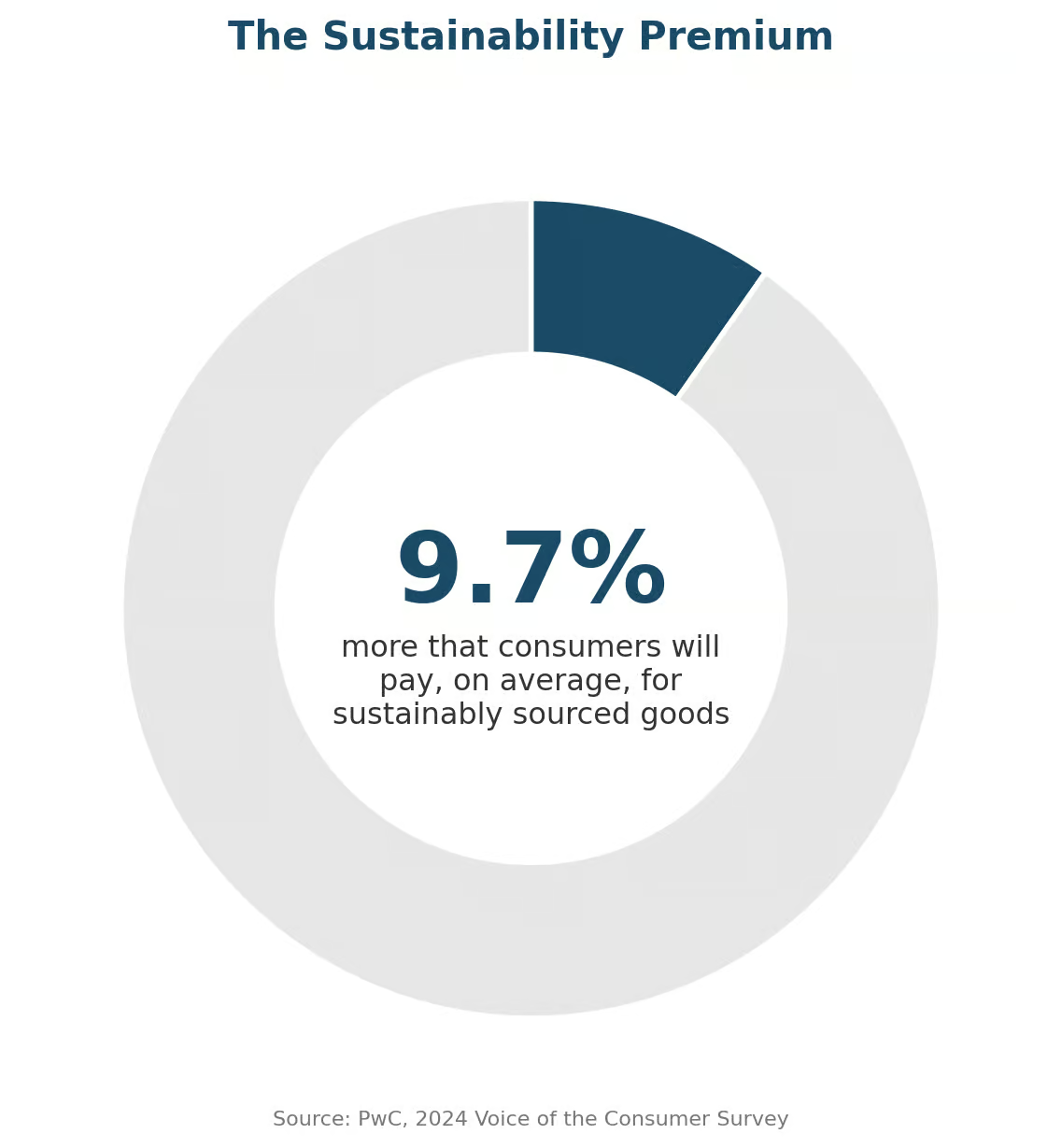
A 2024 PwC consumer survey found that shoppers are willing to spend, on average, 9.7 percent more for goods that are sustainably produced or sourced, even amid ongoing cost-of-living concerns. That willingness to pay shows up across categories, including eyewear, where materials like recycled acetate, bio-based nylon, and upcycled ocean plastic are becoming more common talking points among eyewear brands.
Figure 1: Average premium consumers are willing to pay for sustainably sourced goods. Source: PwC, 2024 Voice of the Consumer Survey.
What Sustainable Materials Actually Look Like in Eyewear
Material | What It Is |
Recycled Acetate | Frame material made using reclaimed or bio-based content instead of purely petroleum-based plastic |
Bio-Based Nylon | Lens or frame components made partly from renewable sources like castor oil rather than fossil fuels |
Upcycled Ocean Plastic | Frames built from reclaimed plastic waste, often marketed with a clear sourcing story |
Recycled Metal | Metal frame components made from reclaimed rather than newly mined material |
Why This Matters for Retailers, Not Just Brands
Younger shoppers in particular are more likely to ask about sourcing before buying, and a retailer who cannot answer basic questions about where a product comes from risks losing that sale to a competitor who can. This does not mean every store needs to rebuild its assortment around sustainability. It means having a clear, honest answer ready is becoming part of good customer service, the same way UV protection and return policy questions already are.
How to Talk About Sustainability Without Overselling It
- Be specific rather than vague. A general claim like 'eco-friendly' means less to an informed shopper than a concrete detail about the material itself.
- Do not claim a sustainability feature the product does not actually have. Overselling this point erodes trust faster than saying nothing at all.
- Frame durability as part of the sustainability story. A well-made pair that lasts longer is a legitimate sustainability point on its own.
- Keep the message simple at the point of sale. One clear sentence lands better than a lengthy explanation a busy shopper will not read.
Should You Change Your Assortment Right Now?
Not necessarily. This is a trend worth tracking and understanding rather than something every store needs to act on immediately. Retailers serving a younger or more values-driven customer base will feel this shift sooner, while others may see it develop more gradually. Either way, staying informed means you are ready to have the conversation when a customer brings it up, rather than being caught off guard.
Frequently Asked Questions
Is sustainable eyewear only relevant to younger shoppers?
Younger consumers tend to ask about it more often, but interest in sustainably sourced products spans a wide range of age groups today, not just Gen Z and Millennial shoppers.
Does sustainable eyewear mean lower quality?
No. Materials like recycled acetate and bio-based nylon are generally built to the same durability standards as conventional materials, and many brands market durability itself as part of the sustainability case.
How can a small retailer respond to this trend without a full assortment change?
Start by being able to answer basic sourcing and material questions honestly, even if your current assortment is conventional. That alone addresses most customer questions on the topic.
Is this trend likely to fade, or is it here to stay?
Industry research points to sustained growth in interest around sustainable materials across eyewear and broader retail, driven largely by shifting expectations among younger buyers with growing purchasing power.
Want to Talk Through Your Assortment Strategy?
West Coast Sunglasses can help you think through where sustainability fits into your current buying plan, based on your customer base and store type.
Call us at 727-530-9260 or toll free at 866-228-3888, or visit our Retailer Resources page and Contact Us page to get started.



 No products in the cart.