

A data driven look at demand, seasonality, and channel trends for wholesale and retail partners of West Coast Sunglasses.
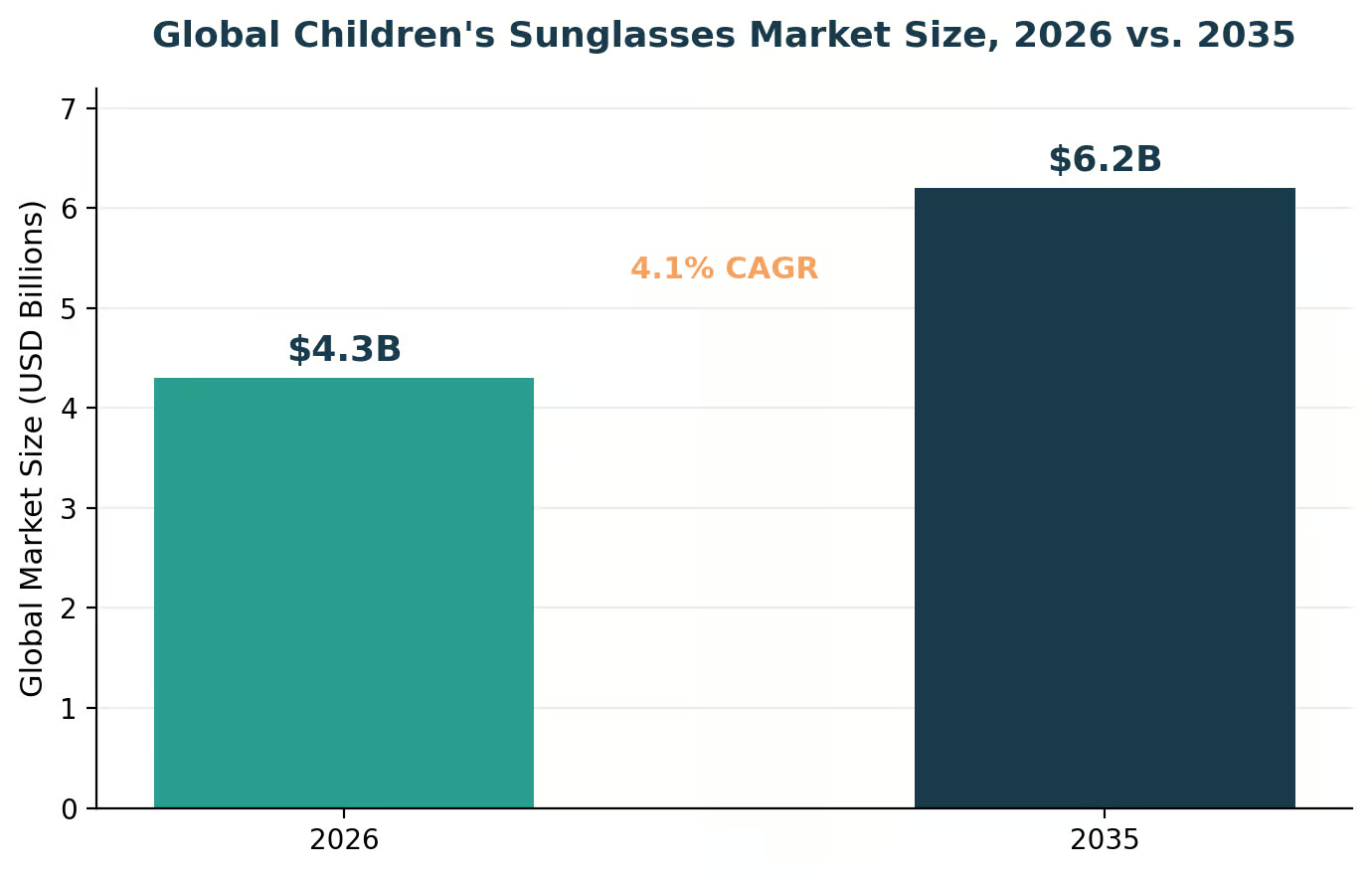
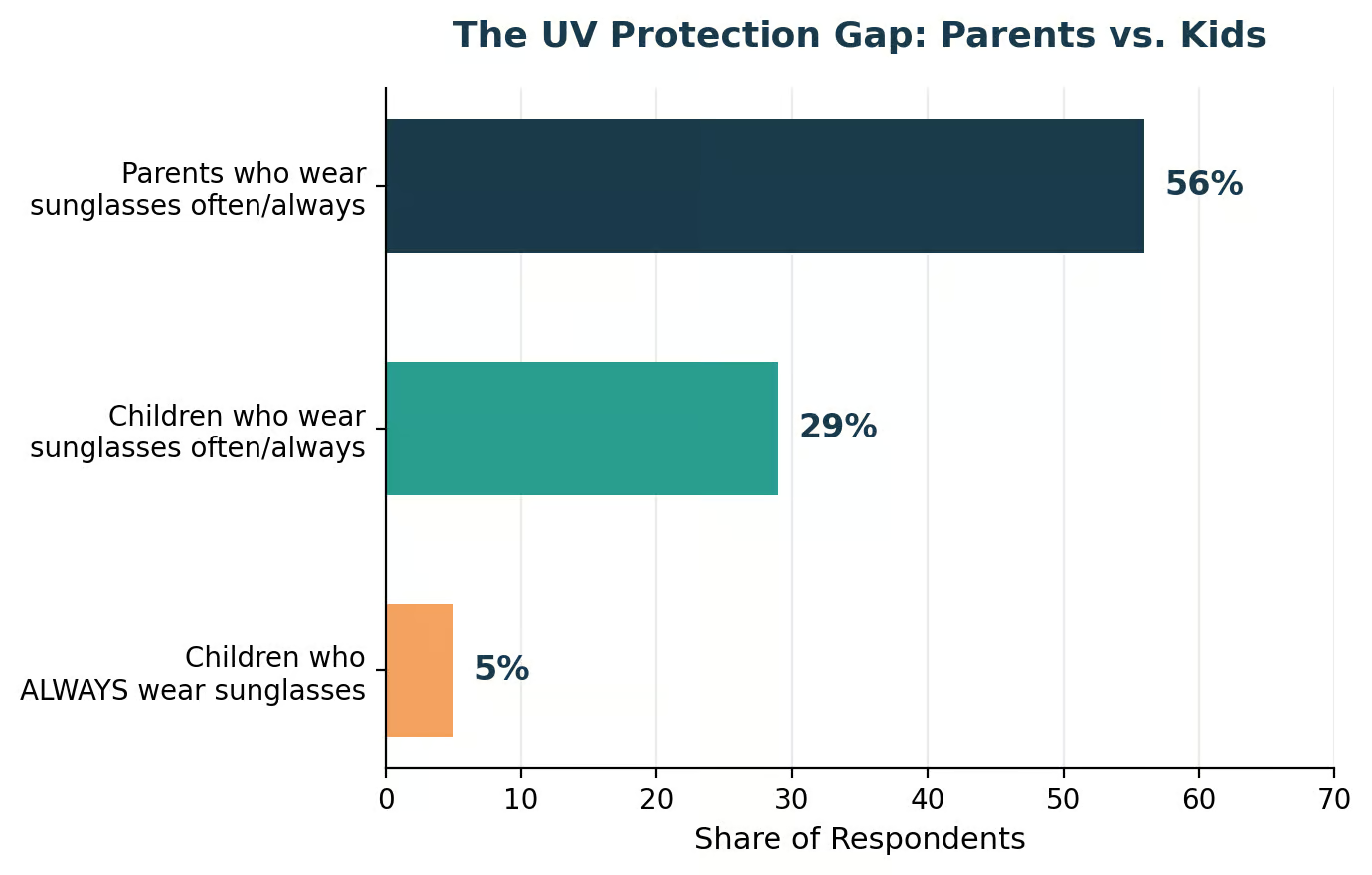
Quick Answer Yes, children's sunglasses are worth expanding in your 2026 assortment. The global children's sunglasses market is on track to grow from $4.3 billion to $6.2 billion by 2035, and only 29% of kids currently wear sunglasses often or always, compared to 56% of their parents. That protection gap, paired with a predictable buying calendar tied to summer and back to school, makes kids' eyewear a category retailers can plan around and profit from. |
Children's sunglasses have moved from an impulse add-on to a category with its own demand curve, its own seasonality, and its own growth story. For retail buyers deciding how much shelf space and open-to-buy dollars to commit, the numbers below lay out where the category stands heading into the rest of 2026 and why it belongs in a well planned assortment.
A Growing Category
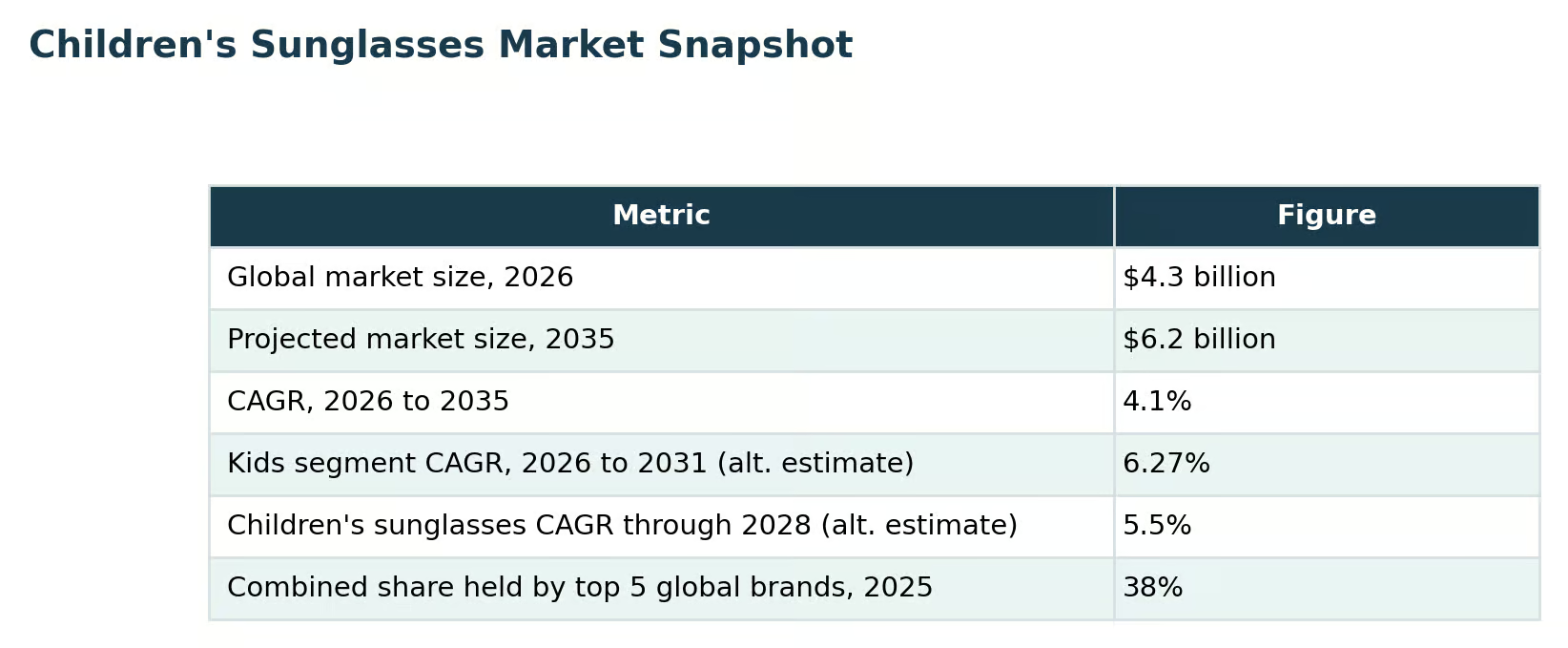
The global children's sunglasses market is projected to grow from $4.3 billion in 2026 to $6.2 billion by 2035, a 4.1% compound annual growth rate. Some segment level estimates run higher, with kids' specific CAGR projections ranging from 5.5% through 2028 to 6.27% through 2031, depending on methodology. Growth is concentrated around branded ranges that emphasize shatter resistant lenses and hypoallergenic materials, as parents increasingly treat eye protection as preventive health rather than an accessory purchase.
The Protection Gap Retailers Can Close
Demand for the category is outpacing actual usage, and that gap is an opportunity. Kids receive roughly three times the annual sun exposure of adults, yet only 29% of parents say their child wears sunglasses often or always, compared to 56% of parents who wear sunglasses themselves. Just 5% of parents report their child always wears sunglasses outdoors. Retailers who use point of sale education and clear UV400 labeling can convert awareness into purchases, positioning kids' eyewear alongside sunscreen and hats as a routine back to basics purchase rather than an occasional one.
When Kids' Sunglasses Sell
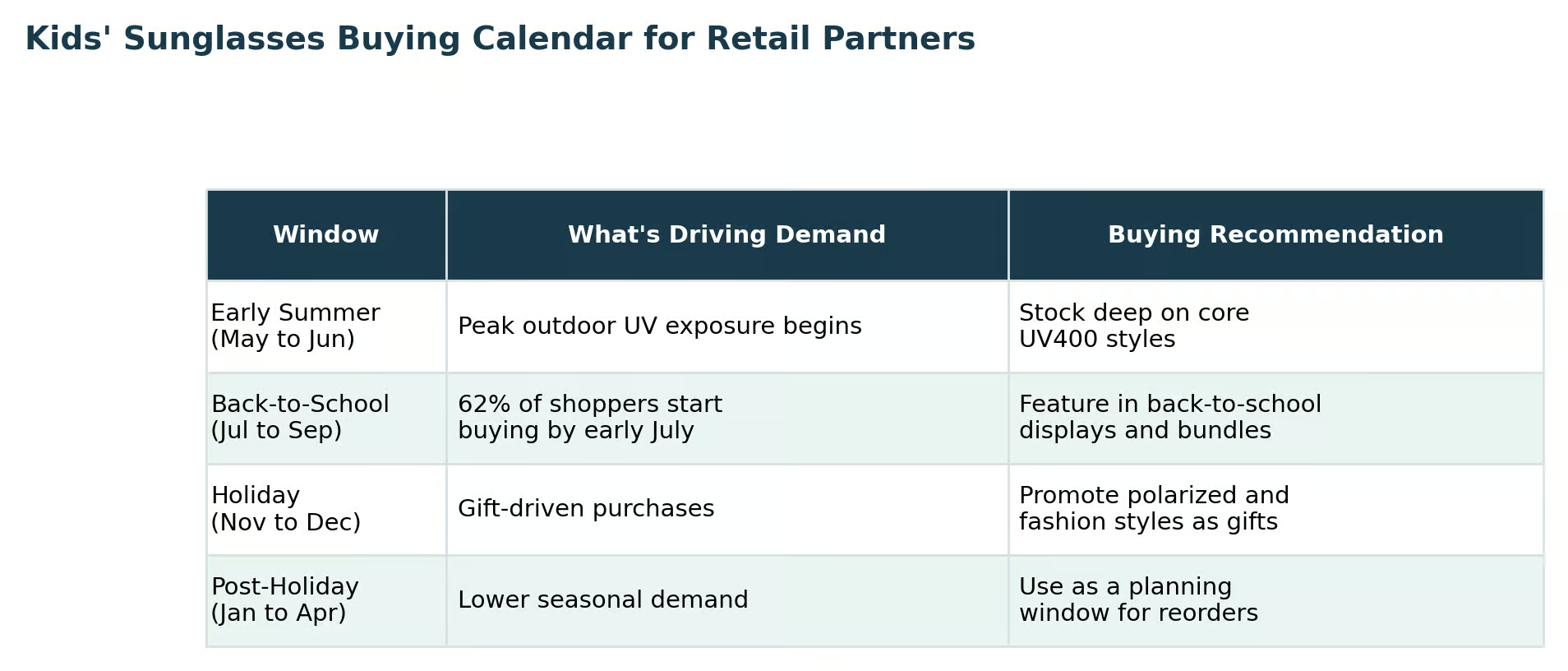
Sunglasses remain a seasonal category, but the season has stretched. Summer is still the peak period for outdoor UV exposure and sunglasses purchases, and back to school shopping now behaves like a summer long event rather than a single August rush. 62% of back to school shoppers had already started buying by early July, which means retailers who wait until August to reorder are arriving after a large share of the season's demand has already been captured.
Where Customers Are Shopping
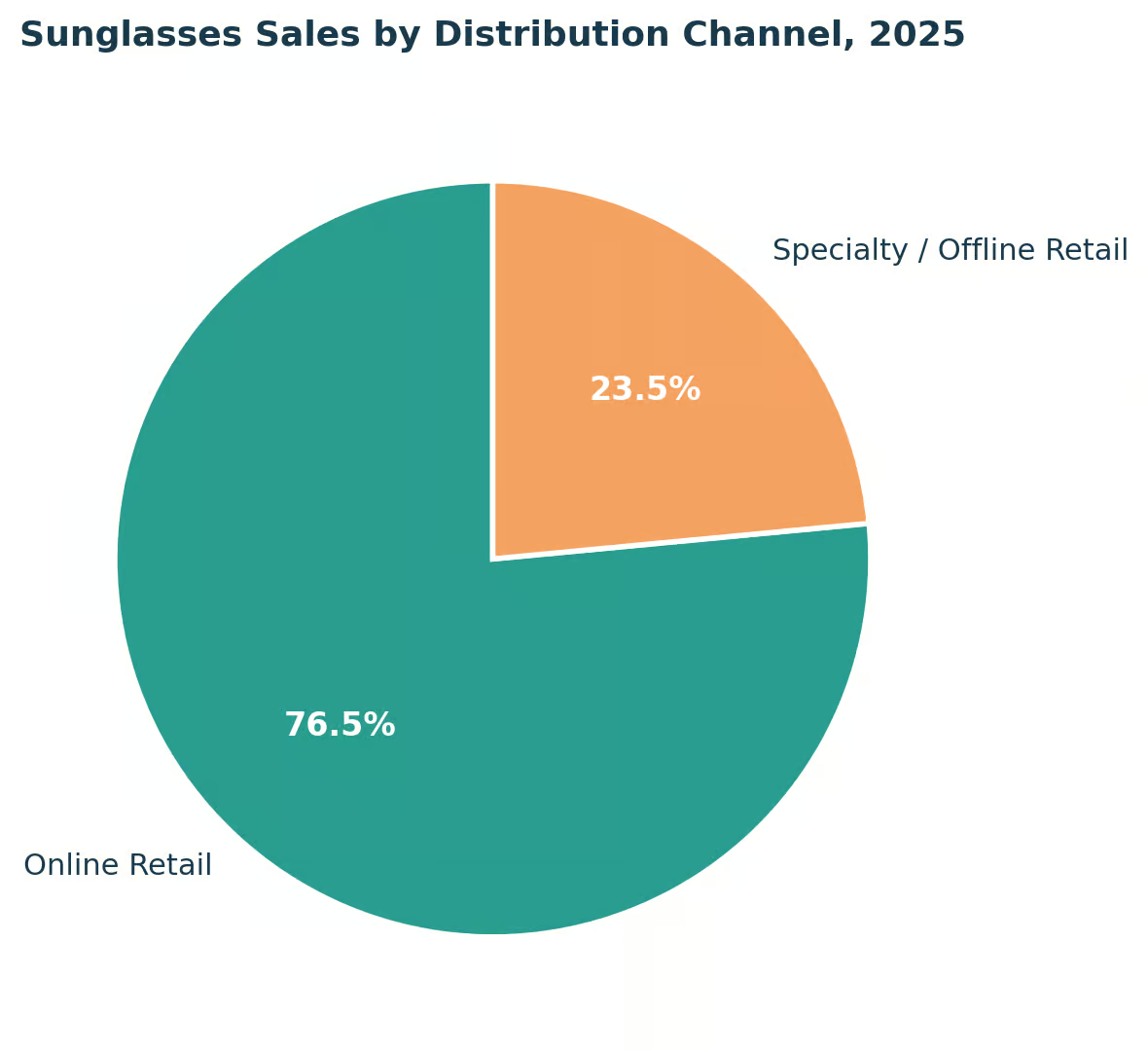
Online retail now accounts for an estimated 76.5% of sunglasses sales industry wide, with specialty and offline retail holding the remaining 23.5%. Kids' eyewear complicates a pure online strategy, since fit, comfort, and durability are harder to judge without trying a pair on. Retail partners that pair an online catalog with an in-store fitting experience, or that use size guides and easy returns to offset the fit risk online, are best positioned to capture both types of shoppers.
What This Means for Your Assortment
Translating the data above into buying decisions:
- Stock core UV400 styles year round and deepen inventory ahead of early summer, when outdoor UV exposure and purchase intent both rise.
- Time your largest reorder to arrive before early July, ahead of the back to school buying window rather than during it.
- Use in-store signage or product descriptions that call out UV400 protection directly, since most parents are not verifying this on their own.
- Add polarized and fashion forward kids' styles for the November and December gifting season.
- Maintain an in-store or in-person fitting option even as you grow online, since fit concerns are a common barrier to online kids' eyewear purchases.
Frequently Asked Questions
What is driving growth in the children's sunglasses market?
Growth is being driven by rising parental awareness of UV related eye risks, demand for shatter resistant and hypoallergenic materials, and branded kids' ranges that meet stricter safety expectations. Analysts put the global market at $4.3 billion in 2026, growing to $6.2 billion by 2035.
Why do children need UV protection more than adults?
Children's eyes are still developing and cannot filter UV rays as effectively as adult eyes. Kids also spend far more time outdoors, and up to 80% of a person's lifetime UV exposure occurs before age 18. That makes early and consistent sunglasses use an important preventive health habit, not just a style choice.
When should retailers place their largest kids' sunglasses orders?
Plan two peaks. Order deep on core UV400 styles ahead of early summer, then again ahead of the back to school window, since 62% of back to school shoppers begin purchasing by early July. A smaller order of polarized and fashion styles ahead of the November and December gifting season rounds out the calendar.
Should kids' sunglasses be sold in store, online, or both?
Both, with different roles. Online retail accounts for roughly 76.5% of sunglasses sales industry wide, but in-person try-on still matters for kids' fit and comfort. Retailers that combine an online catalog with an in-store fitting experience are best positioned to capture both buying preferences.
What should retailers look for when sourcing kids' sunglasses?
Confirm the product carries 99% to 100% UV protection, and prioritize shatter resistant lenses, flexible or hypoallergenic frame materials, and a size range built for different age groups. Novelty sunglasses without verified UV protection put a retailer's credibility, and a child's eyes, at risk.
Does West Coast Sunglasses supply kids' styles for wholesale accounts?
Yes. West Coast Sunglasses offers UV400 rated children's frames built for retail partners, with assortment and reorder support timed to the seasonal demand windows outlined above. Contact our wholesale team to review current kids' collections and minimums.



 No products in the cart.