

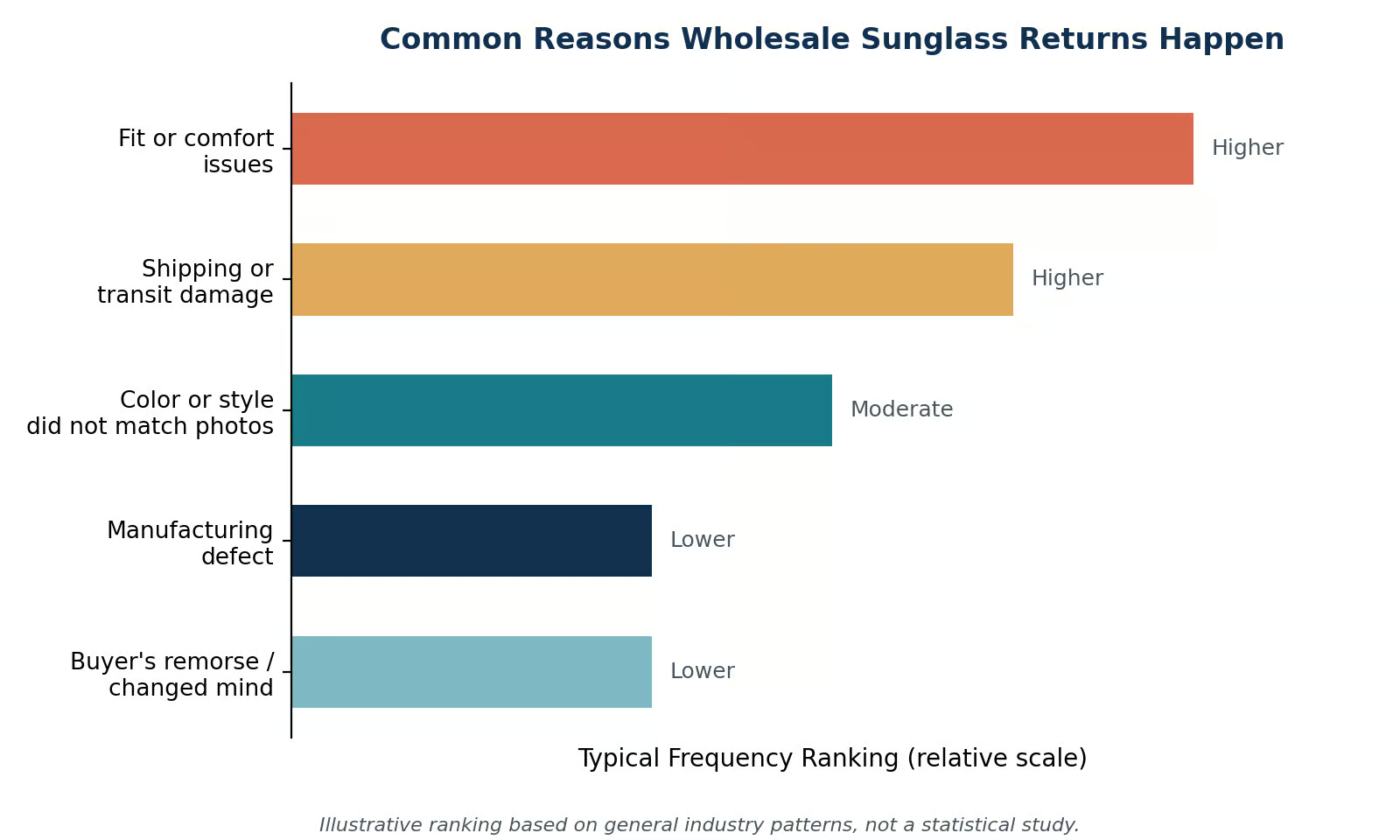
Quick Answer Most sunglass returns trace back to a small set of causes: poor fit or comfort, damage that happens in shipping or handling, a color or style that looked different in person, or a manufacturing defect like a loose hinge or peeling coating. Wholesale buyers can reduce returns by sourcing from suppliers with consistent quality control, choosing sturdy retail packaging, and giving store staff simple guidance on fit and care. |
Why Return Rates Deserve a Buyer's Attention
Sunglasses are a high markup category, which is exactly why returns hurt more than they might in a lower margin product line. A returned pair is not just a lost sale. It is often a pair that cannot be resold at full price, a shipping cost that will not be recovered, and a customer interaction that did not go the way the retailer wanted it to.
Return rates are rarely about one single problem. They usually come from a combination of sourcing decisions, packaging, and how the product is presented on the sales floor. A wholesale buyer has some influence over all three, even without controlling exactly how a retail customer behaves once they leave the store.
The Most Common Reasons Sunglasses Get Returned
Fit and Comfort
A pair that looks right on a display card does not always fit right on a customer's face. Frames that are too tight at the temple, too heavy on the nose, or simply the wrong width for a common face shape tend to come back more often than a well proportioned frame. This is one of the reasons a varied frame width and style range matters more than chasing a single trend shape.
Shipping and Transit Damage
Sunglasses are more fragile than they look once they are stacked, boxed, and shipped in bulk. Scratched lenses, bent frames, and cracked cases from rough handling in transit are a common and largely preventable source of returns. Buyers working with a supplier that packages product to survive real world shipping conditions, not just a photo shoot, tend to see fewer of these come back.
Color or Style Mismatch
Screens and printed catalogs do not always show color accurately, and a customer who expected a warm tortoise frame and received something closer to amber can feel misled even when nothing was actually wrong with the product. Clear, accurate product photography and honest color naming at the point of sale reduces this kind of return.
Manufacturing Defects
Loose hinges, coatings that peel after light wear, and lenses that pop out of the frame are the returns that hurt a retailer's trust the most, because they reflect on product quality rather than customer preference. This is the category most directly tied to who a retailer buys from, since consistent quality control at the supplier level is the main lever available to reduce it.
Buyer's Remorse
Not every return is about the product. Impulse purchases, especially from a countertop display, sometimes get returned simply because the customer changes their mind once they get home. This is a normal part of retail and usually the smallest of the categories above, but a clear return policy at the register helps a store manage it without friction.
What Wholesale Buyers Can Do About It
A buyer cannot control every return, but there are practical steps at the ordering, packaging, and merchandising stage that tend to move the needle.
- Order from a supplier with a track record of consistent quality control, rather than the lowest price point available, especially for hinge and coating quality.
- Choose styles with a reasonable range of frame widths rather than a single narrow fit across the whole order.
- Ask about packaging that protects lenses and frames in transit, not just packaging that looks good on a shelf.
- Keep product photography and in store signage accurate to the actual color and finish of each style.
- Give sales staff a quick reference for fit guidance so they can steer customers toward a frame that is likely to work before it leaves the store.
Return Prevention by Category
Return Cause | Where It Starts | What Helps |
Fit or comfort | Style selection at order time | Order a range of frame widths and shapes |
Shipping damage | Packaging and handling | Sturdy cases and protective packaging |
Color mismatch | Product photography and signage | Accurate photos and honest color names |
Manufacturing defect | Supplier quality control | Source from a supplier with consistent QC |
Buyer's remorse | Point of sale behavior | Clear return policy communicated at checkout |
Building This Into a Reorder Strategy
Return data, even tracked informally, is useful information for the next order. A style that consistently comes back for fit reasons is worth dropping or replacing, while a style with a clean return history is worth reordering with confidence. Over a few seasons, this turns return tracking from a frustration into a tool for building a tighter, more profitable assortment.
Buyers building out a more durable, better fitting assortment may also want to review polarized styles and the sport collection, both of which tend to hold up well across a range of face shapes and use cases.
Frequently Asked Questions
What is the biggest driver of sunglass returns at retail?
Fit and comfort tend to be the most common reason, followed by shipping damage and color or style mismatch. Manufacturing defects are less frequent but tend to have the biggest impact on customer trust.
Can better packaging really reduce returns?
Yes. A meaningful share of returns come from damage that happens after the product leaves the supplier, so packaging built to survive real handling and shipping conditions helps prevent avoidable returns.
Should I stop ordering a style that keeps getting returned?
If a specific style shows a pattern of returns for the same reason, such as fit, it is usually worth replacing it with a similar style in a different width or shape rather than reordering it as is.
Does a strict return policy reduce returns?
A clear, consistently communicated policy tends to reduce disputes and impulse returns, but it will not address returns caused by fit, damage, or defects. Those need to be addressed at the sourcing and merchandising stage.
Ready to Order or Learn More? West Coast Sunglasses has supplied wholesale accounts with consistent quality sunglasses since 2001. Reach out to talk through assortment planning or to review styles built to hold up on the sales floor. Call (727) 530-9260 westcoastsunglasses.com/contact-us-for-your-wholesale-needs/ |




 No products in the cart.